The Hollow State: Who Actually Runs the World
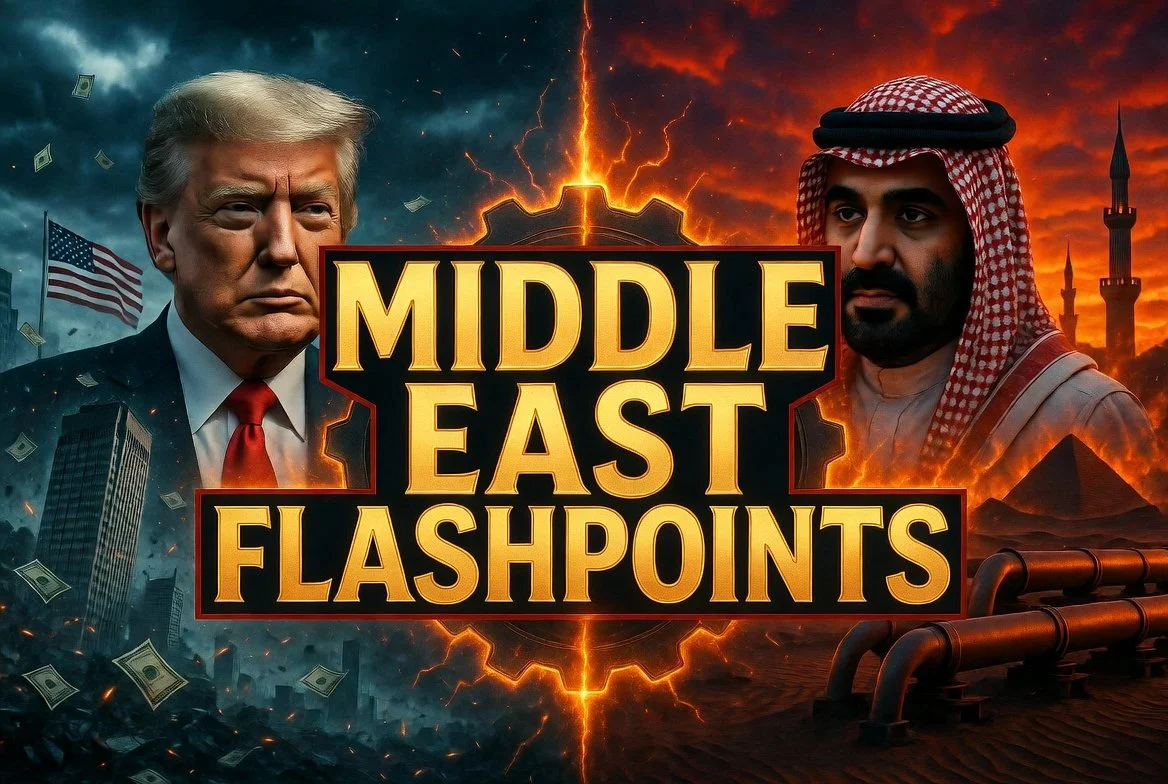
The nation-state has largely outlived its relevance, as a global financial-industrial system can now effectively lease military power, using it not for national goals but for its own interests.
The nation-state still performs its rituals with admirable discipline. Flags are raised, anthems sung, elections staged with just enough uncertainty to preserve the illusion of stakes. Leaders speak of sovereignty as though it were a living thing rather than a ceremonial inheritance, something preserved in language long after its substance has faded. The public, conditioned to interpret politics through this theatrical frame, continues to debate policy as if the levers of power still sit where the spotlight points. But behind the spectacle, the real structure of control has quietly moved elsewhere.
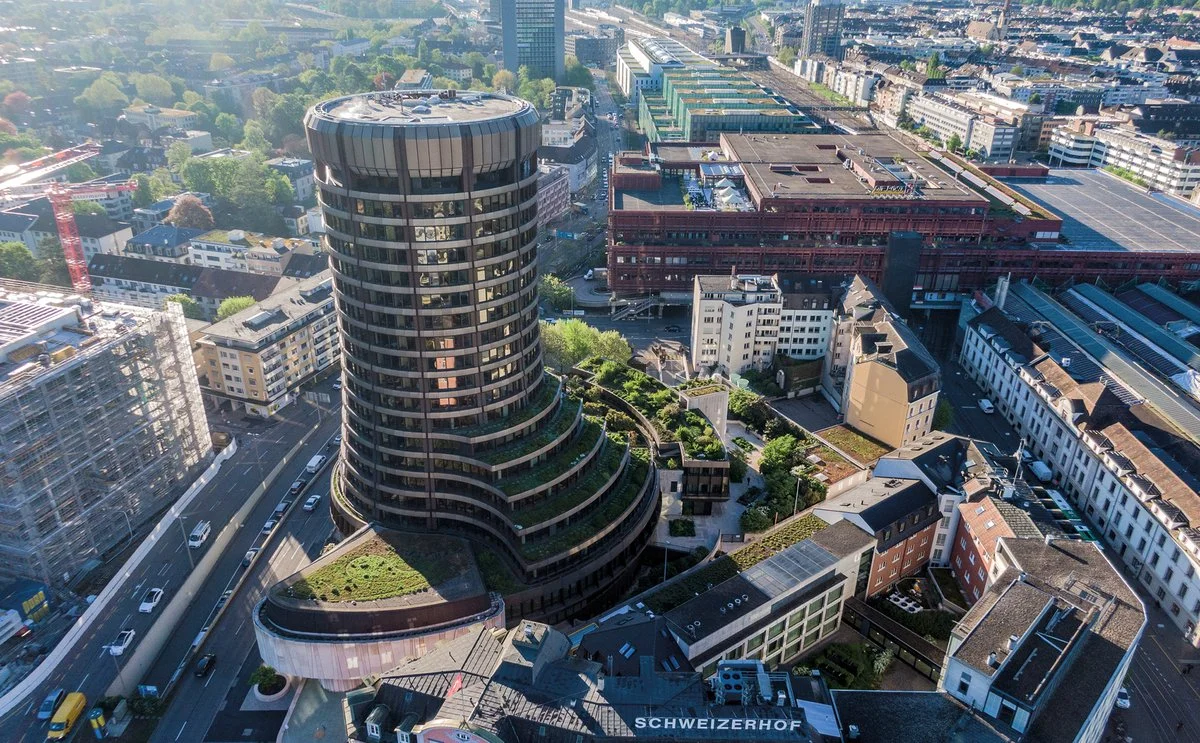
What we call the “state” increasingly resembles a legacy system: familiar, symbolic, and no longer fully in charge. Its role is less to govern in a meaningful sense and more to translate the demands of a much broader network into the language of law, patriotism, and necessity. Real decision-making power no longer sits neatly inside borders, nor does it answer to voters. It moves through a loose but powerful web of financial institutions, multinational corporations, private investment firms, and cross-border agreements, groups that operate with authority that’s hard to pin down and even harder to challenge.
Is there an even greater power structure that sits above this network?
Likely, but let us deal with what we know for certain.
This network doesn’t need traditional legitimacy. It doesn’t campaign or try to win public trust. Its power comes from control over systems. It directs capital, shapes supply chains, backs debt, and manages risk on a global scale. Where the state once commanded, it now negotiates. Where it once decided, it now adapts. Policy becomes less about public will and more about staying in line with the expectations of global markets.
Within this setup, even the most recognizable tool of state power, the military, has quietly changed roles. The military-industrial complex, once framed as a partnership serving national defense, has flipped its priorities. Defense is no longer the core mission; it’s the justification. The machinery of war, including contractors, technologies, logistics, and intelligence systems, functions less as a shield for the nation and more as a service that can be deployed where needed.
War, in this context, becomes flexible. It can be scaled up or down, outsourced, extended, or paused depending on financial and strategic interests rather than public demand. Conflicts aren’t just geopolitical; they are also economic opportunities tied to extraction, rebuilding, and technological development. The state provides the legal cover, the narrative, and the personnel. The deeper logic, however, often comes from outside it.
This is why the question “who’s really in charge?” feels both urgent and frustrating. Power hasn’t disappeared; it has spread into systems that don’t present themselves as rulers. Capital doesn’t govern like presidents or kings. It shapes incentives, limits options, and nudges outcomes until what happens feels unavoidable. Elections still matter, but only within boundaries that voters don’t set.
The result is a strange reversal: sovereignty survives as a story, while dependence defines our reality. States continue to speak the language of independence even as their financial, technological, and security systems are tied to forces they don’t fully control. The performance of autonomy becomes more elaborate as its substance shrinks.
None of this requires a grand conspiracy (though that is a possibility to consider). It is the result of overlapping incentives built over time, favoring mobility over roots, liquidity over accountability, and scale over local control. The system doesn’t need to hide; it just needs to stay complicated. Its power comes not from secrecy, but from how hard it is to clearly see and confront. Which could be by design of course.
And so the nation-state remains, not as the driver of history it once claimed to be, but as its stage. It sets the scene, provides the actors, and delivers the lines. But the script, its structure, its limits, and its direction, is written somewhere higher up the pyramid.