Strait Up Hormuz: US Empire Vs. China and the East
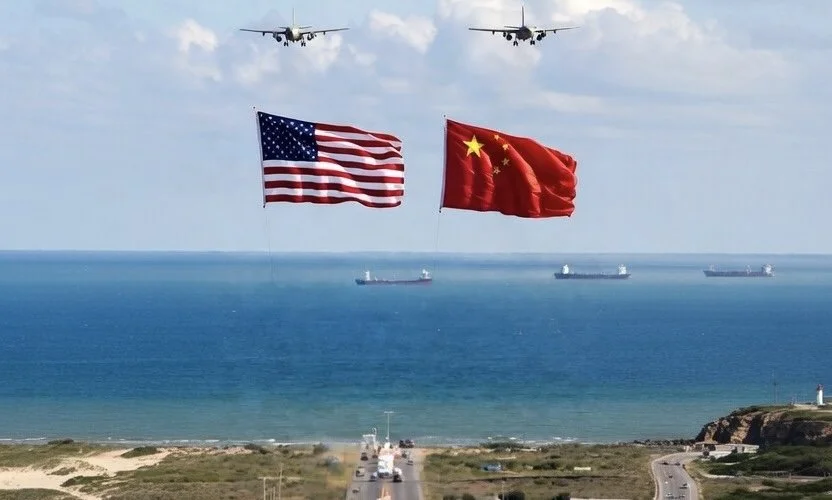
(Chaz Anon) Once again folks, the US empire finds itself chained to its Eastern rival. The United States, self-proclaimed champion of freedom and ingenuity, cannot manufacture a car, a chip, or a missile without Beijing’s hand in the process. The rare earths, the processed metals, the essential components for everything from smartphones to submarines all originate in China. Strip away the patriotic slogans and what remains is dependency sold as dominance. That isn’t propaganda; it’s arithmetic.
The Strait of Hormuz drama is not about Iran or the sanctity of “free navigation.” It’s another front in the long shadow war with China. The tariff skirmish years ago already exposed how fragile the global architecture really is. Once Beijing restricted exports, the supply chains seized, the defense sector froze, and the bond markets began to tremble. Politicians called it “negotiation” and “de-escalation,” which in practice meant retreat.
That episode triggered a deeper shift. China pulled key inputs from the equation, and the American illusion of self-reliance evaporated overnight. Factories went silent, defense contracts stalled, and the myth of the omnipotent military-industrial complex cracked open. Beneath it lay a truth that no one wanted to admit: even the American arsenal depends on Chinese material.
Markets panicked. Bond yields jumped, with the ten-year topping 4.6 percent and the thirty-year passing 5. Oil shot above $115. Middle-class wealth began to drain away, Southeast Asia faced food insecurity, and energy-dependent nations dumped Treasuries to buy fuel. Strangely, this liquidation strengthened the dollar, not out of confidence but scarcity. The result was a global recession framed as “market normalization.”
While the West stumbled, China and Russia moved quietly. They consolidated reserves, expanded energy grids, and built alternative systems beyond Washington’s reach. Taiwan found itself drawn closer to Beijing, not through invasion, but necessity. Energy comes before ideology.
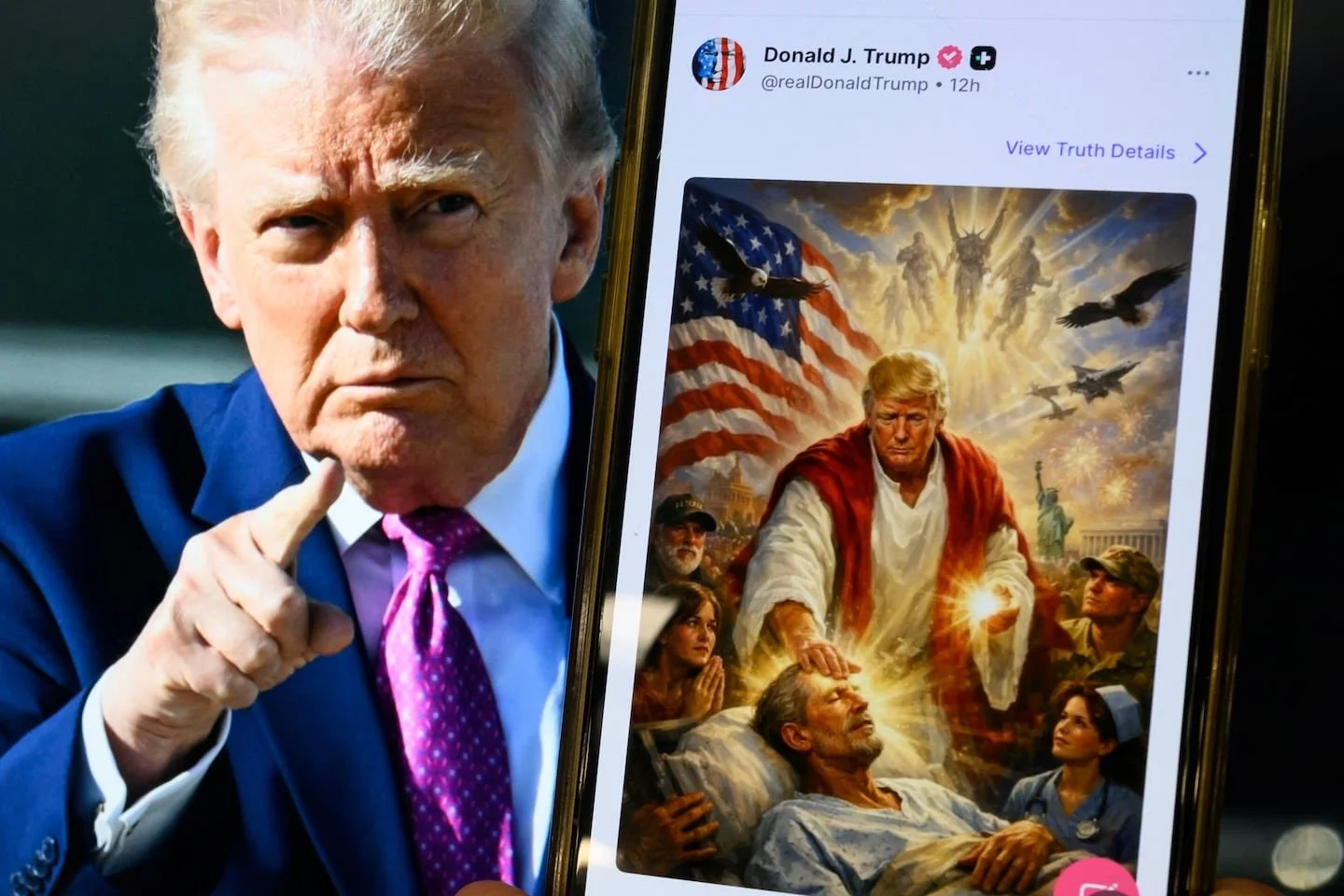
The official story still calls this turbulence a “system shift.” In reality, it was deliberate policy—a transfer of wealth from citizens to financiers. Trump’s so-called “TACO” initiative marked not resistance but capitulation to the corporate-financial complex, which demanded a few trillion more in “monetary expansion” to plug the holes it had created.
Energy giants like Chevron, Exxon, Cheniere, and Golden Pass cashed in. Profits were private; costs were public. With no sovereign wealth fund, Americans absorbed the losses while corporations grew fat on crisis. The endgame is clear enough: consolidation under a handful of global players, a hollowed-out middle class, and a citizenry rebranded as debt holders.
This is how empire decays—not with collapse, but through normalization. Dependency becomes policy, austerity becomes civic virtue, and ownership fades into memory. The show continues, and the audience still pays for the privilege of watching it.