The Global Reset in The Middle East
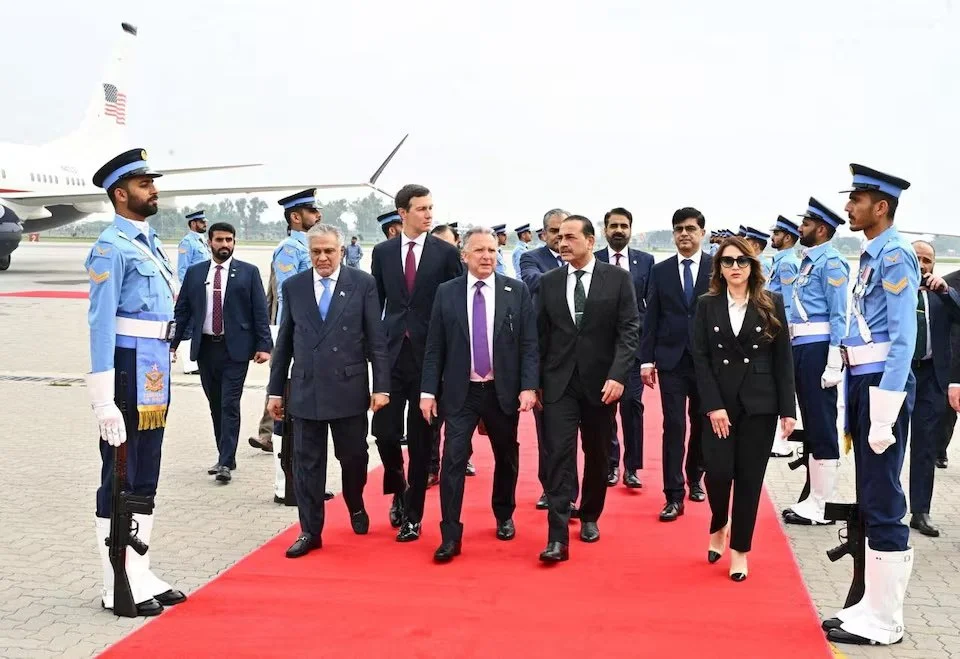
(Chaz Anon) As conflict continues to shape global dynamics, new deals are being struck behind the scenes. Reuters reports that an Iranian source claims the United States has agreed to unfreeze Iranian assets held in Qatar and other foreign banks. If true, this move is more than a routine diplomatic gesture—it’s a calculated transaction tied to the management of the emerging global economic reset.
The unfreezing of Iranian assets would be tied to safe passage through the Strait of Hormuz, confirming Simon Dixon’s theory that in modern statecraft, everything has a market price and a contingency clause. When oil hits $115–deals will be made to avoid demand destruction in the U.S. economy.
That matters because the Strait of Hormuz is one of the pressure points on which the entire energy system depends. If that route is threatened, the shock doesn’t stay local—it ripples through oil prices, insurance markets, inflation, and supply chains, heating the political temperature of states already under strain. The asset release can thus be read as tribute to keep the machinery from seizing up.
Crisis is no longer managed; it’s monetized. Sanctions become leverage, leverage becomes negotiation, and negotiation becomes ritual—performed to assure markets that the illusion of control still holds. In that sense, the headline isn’t truly about Iran at all—it’s about a system that can no longer pretend geopolitics and finance are separate, because both now serve the same vampire squid apparatus.
WAR IS A MOVIE
War now moves around like a Netflix series with endless sequels. Last year it was Gaza. Last month Iran. This month Lebanon. Ukraine remains “in production.” The plot never changes—only the subtitles and the cast of heroes and villains. The business model depends on keeping audiences emotionally hooked: horrified enough to share the clips, but not enough to question who’s writing the script.
This isn’t the old kind of war. There are no drafts (yet), no ration books, no factories grinding night and day. What we have now is a financial abstraction—conflict translated into contracts, weapons into balance sheets, ruin into growth. Congress signs off on another funding package while cable news counts missiles like lottery numbers. The blood is real; the accounting is cleaner.
Behind the noise, a quieter invasion advances: digital currencies, programmable IDs, algorithmic control systems. The architecture of obedience hides behind buzzwords like “innovation” and “security.” You don’t need tanks when code can decide who buys food or travels. You don’t need soldiers when citizens willingly log into their own surveillance.
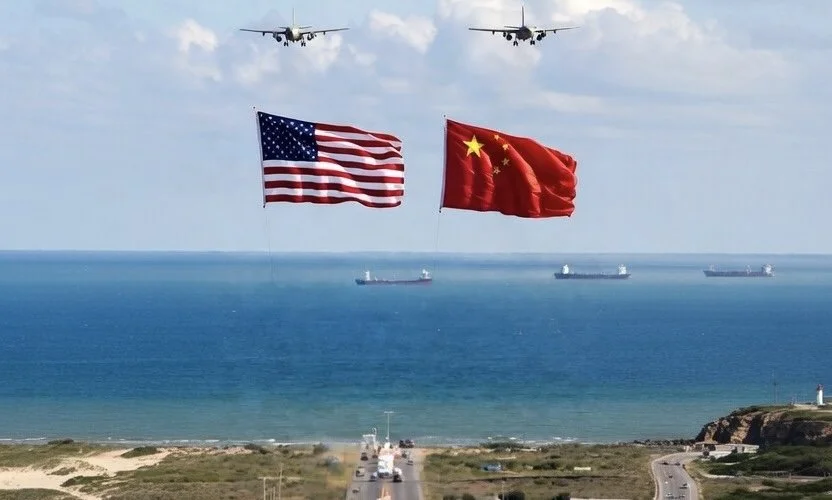
The spectacle of war keeps the faithful distracted. They wave flags, pick sides, and argue about freedom—never noticing that freedom itself has been reduced to a brand. The empire no longer conquers territory; it colonizes perception. The front line now runs through the screen in your hand. The story is the true product, and it always pays better than peace.
THE RESET ENGINEERS
Both Simon Dixon and Catherine Austin Fitts have long warned that the so-called “Great Reset” is no spontaneous phenomenon—it’s a planned financial reconfiguration to capture sovereignty through digital infrastructure. Dixon frames it as a liquidity coup: the transfer of real assets—energy, commodities, state collateral—into a digital panopticon run by central banks and surveillance capital. His logic fits the unfreezing of Iranian assets and the exchange-for-access dynamic through global choke points; every diplomatic gesture becomes a test trade in the emerging programmable economy.
Fitts takes Dixon’s mechanics and maps them onto physical space. She traces how zoning laws, biometric payment systems, and digital IDs form the hardware of a financial coup d’état. Wars and sanctions, she argues, are surface distractions concealing the coding of a planetary ledger. When you combine Dixon’s liquidity grid with Fitts’s spatial control grid, the picture clarifies: this isn’t decentralization—it’s algorithmic re-centralization. The theater of volatility keeps eyes on tanks and treaties while the real conquest unfolds in data fields and payment rails.
Together, their views complete the circle: conflict becomes liquidity, liquidity becomes code, and code becomes governance. What began as diplomacy now ends as deployment—the programming of consent into the syntax of finance. Dixon names the pipeline; Fitts names the prison. The war is not of territory but of transaction.
THE GREAT RESET
While the public is fed a steady stream of wars, the technocratic economic system is being built in silence. These conflicts are blood-soaked infotainment—distraction for the masses while the real occupation happens on the blockchain.
This is the Great Reset. You’re not meant to see the shift. You’re meant to post about it, rage-scroll, pick a side, then order a biometric coffee from your frictionless wallet while your data lords finish wiring the infrastructure of “progress.” It’s not an empire anymore—it’s an operating system: self-updating, unaccountable, politely totalitarian. The bombs are for the headlines; the code is for the future.
And when the smoke clears—when the flags are tattered and the pundits move to the next outrage—you’ll realize the real battlefield wasn’t Ukraine, Iran, or Lebanon. It was your mind. And your consent to a new dystopian order was the price of admission.